Skip to content
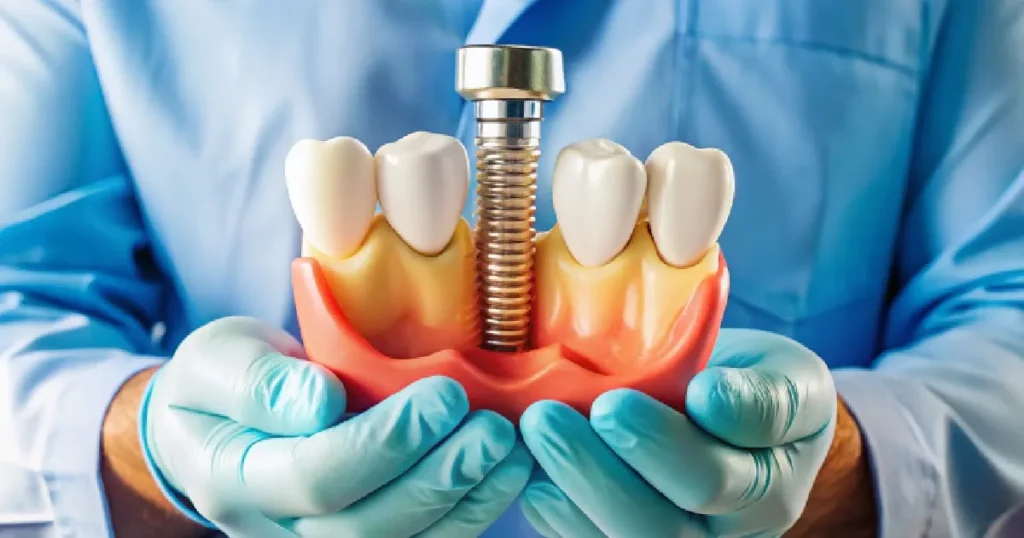
Table of Contents
Missing teeth can affect how you eat, speak, and feel about your smile. Many adults also experience discomfort from loose dentures or dental work that no longer feels stable. When chewing becomes difficult or you worry about a tooth looking out of place, it’s easy to feel unsure about what to do next. That’s one reason more people are turning to dental implants as a stable, long-lasting option. If you’re in Las Vegas and considering dental implants in Las Vegas, NV, finding clear information can help you decide if this solution fits your needs.
At the Luth & Heideman Center for Dental Care, many patients come in after trying other tooth replacement options that didn’t hold up as well as they hoped. They want something that feels natural, works well for daily life, and supports long-term oral health. This guide walks you through the whole process, from what an implant is made of to how it’s placed, healed, and maintained. It also includes common questions from people seeking a permanent tooth replacement but unsure where to start.
What Dental Implants Are Made Of
A modern dental implant has three key parts that work together to act like a natural tooth. The first is the post, which is usually made of titanium. This post goes into the jawbone and serves as the root. Because the material bonds with bone, the post becomes solid and reliable. The next piece is the abutment, which connects the post to the tooth that will be placed on top of it. The last part is the crown, custom-designed to match the rest of your teeth.
Each part has a job. The post provides strength, the abutment holds everything in place, and the crown completes the smile so the implant blends in. This design is why so many people choose implants when they want something that feels close to real teeth and supports everyday activities like chewing and speaking.
Who Is a Good Candidate
Most adults in good general health can explore dental implants. Your dentist will check your gums, remaining teeth, and medical history to ensure nothing will interfere with healing. One crucial factor is bone density. Since the implant post needs to bond with the jaw, there must be enough bone to support it.
If the bone has thinned from years without a tooth or from gum concerns, you may still qualify with the help of bone grafting. This step strengthens the area so an implant can be placed later. People often worry that this means a long process, but it’s a standard part of treatment for patients with missing teeth for a while.
Types of Dental Implants
Implants can be used in several ways depending on how many teeth you need to replace. For a single missing tooth, one implant and one crown are placed. This keeps nearby teeth intact and prevents them from shifting.
When several teeth are missing, implants can support a bridge. Instead of relying on natural teeth for support, the bridge connects to implant posts, providing greater strength and stability.
For those who are missing most or all teeth, full-arch solutions use several implants to support a complete set of upper or lower teeth. These options remain steady when you eat or speak, something many denture wearers find reassuring.
Step-by-Step: What to Expect During the Procedure
Your dental implants guide begins with a consultation. During this first visit, you’ll talk with your dentist about your goals, any discomfort with your current teeth or dentures, and any concerns about appearance or function. Digital imaging, photos, and X-rays help your dentist plan the exact placement of the implant.
Once the plan is ready, the implant post is placed into the jaw during a short surgical appointment. After this step, the bone begins to bond with the post. This healing phase is called osseointegration. It takes time, but it’s what gives implants their strength.
When the bone is fully healed, the abutment is attached. The final step is fitting the crown. This tooth is shaped and colored to match your smile closely, so the result feels natural. Patients appreciate that this part of the process brings everything together in a way that looks and feels complete.
What to Expect During Recovery
Recovery varies from patient to patient, but most people return to their routine within a day or two. You may feel a bit of soreness or pressure at first, especially around the gum area. This is usually mild and manageable with over-the-counter medication.
During the early days, soft foods can help keep things comfortable. Good oral hygiene is essential, but your dentist will explain how to clean the area without disrupting healing. Over the next several months, your jawbone and implant post work together as the bone strengthens.
Most patients feel minimal day-to-day discomfort during this phase. What matters most is attending follow-up visits and watching for any signs of infection or swelling that doesn’t improve. If anything feels off, your dentist can address it early.
Benefits of Dental Implants
Many people choose implants because they provide stability that other tooth replacement options don’t always offer. Implants stay fixed in place, so chewing feels more secure. Since they fit naturally into the bite, speech often improves as well.
Another major benefit is appearance. The crown is designed to match your natural teeth, giving your smile a consistent look. For those who feel self-conscious about gaps or loose dentures, this can be a meaningful change.
Implants also help protect the jawbone. When a tooth is missing, the bone in that area weakens over time. Because the implant post acts like a root, it helps maintain bone strength and supports the shape of your face. These long-term benefits are part of what makes dental implants so valuable.
Risks and Limitations
While implants are successful for most patients, there are still considerations to keep in mind. Infection, slow healing, or implant failure can occur, though these issues are less common when patients maintain good oral hygiene and follow their dentist’s guidance. Smoking and certain medical conditions can also affect healing.
Some patients may need additional procedures such as bone grafting or gum treatment before receiving an implant. These steps improve the chances of success and help ensure the implant stays stable for years.
How Long Do Dental Implants Last
One reason many people choose implants is their longevity. With regular brushing, flossing, and dental visits, implants can last for decades. The crown may eventually need replacement due to everyday wear, but the implant post is designed to remain strong in the long term. Patients appreciate that the day-to-day care is similar to caring for natural teeth.
Cost Factors
The cost of dental implants depends on the number of teeth involved, the need for additional procedures, and the type of restoration used. While the initial cost can be higher than dentures or bridges, the long-term value is significant because implants last much longer and prevent future problems like bone loss.
A personalized treatment plan gives the most accurate estimate. Many patients find that the comfort, stability, and appearance of implants make them a worthwhile investment in their long-term oral health.
Choosing the Right Provider
The provider you choose matters. Look for someone experienced in implant dentistry who takes time to explain the plan and uses precise imaging to guide placement. A good provider also discusses expectations, healing, and how to care for the implant.
At Luth & Heideman Center for Dental Care, patients often mention how reassuring it feels to go through each step with clear explanations and support. When choosing your provider, trust and communication are key.
Moving Forward with Confidence
Understanding the entire dental implant process, from consultation to long-term maintenance, can help you feel better prepared as you consider your next step. If missing teeth are affecting your comfort or confidence, implants offer a strong, natural-looking, and lasting solution.
To learn more about your options, you can restore your smile with confidence and schedule a consultation with a team that prioritizes your comfort and long-term results.